

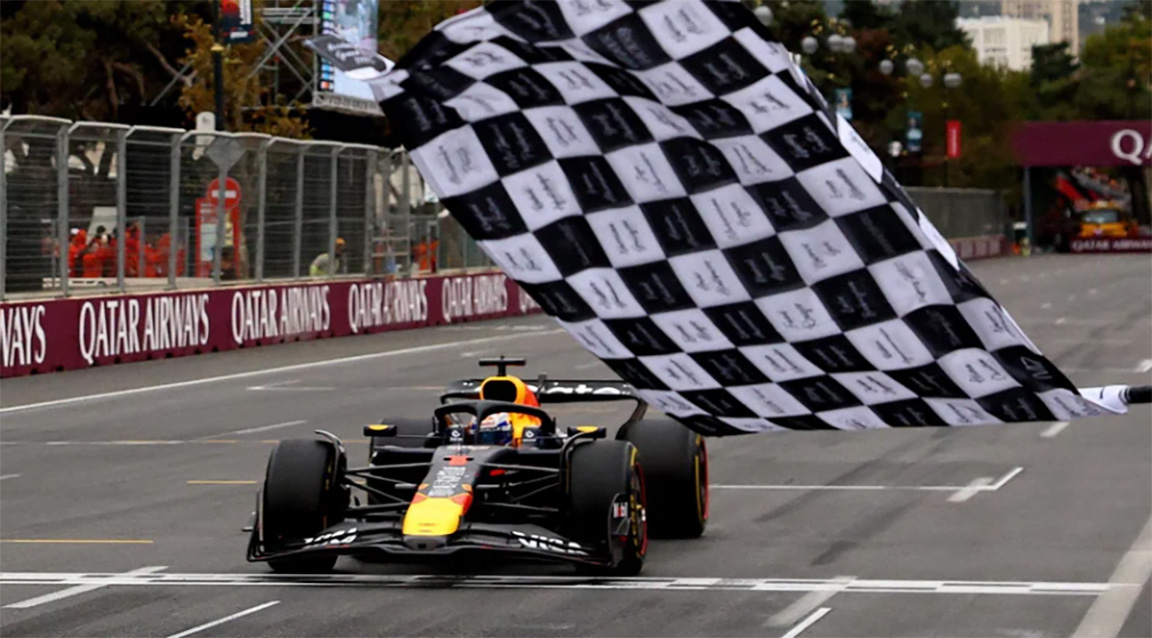
In recent years, one particular sport has grown in global popularity: Formula 1.
What was once considered a niche motorsport has quickly become one of the most watched and talked about competitions in the world, drawing in new fans with its high speed, rivalries, and drama. But just as F1 reaches new heights, it is experiencing one of the biggest rule changes in its history in 2026, raising the question of whether these updates will improve the sport or make it more boring overall.
The most important shift is in the engines. F1 is moving toward fully sustainable fuels and more reliance on electric power. The new engines will use a more equal split between the traditional engine and electric energy, while also removing older, complex systems like the MGU-H.
This change is a huge step forward environmentally and could make the sport more relevant in a world focused on sustainability; however, it also raises concerns about whether F1 cars will still feel as fast and exciting as before.
Another major change is the removal of DRS (Drag Reduction System). DRS was a tool that allowed drivers to open a flap on their rear wing to reduce drag and help overtake the car ahead of them. In 2026, it will be replaced by “active aerodynamics” and an “overtake mode,” where drivers use extra electrical energy to pass instead.
While this new approach to passing might make overtaking feel more skill-based, some fans complain that racing could become more boring without DRS.
The grid itself is also changing. Cadillac will join as a brand-new American team, expanding the field to 11 teams, while Audi will enter by taking over Sauber’s spot.
This change is exciting because it brings fresh competition and big names into the sport, but it also shows how difficult it is for smaller or less competitive teams to survive in F1.
One of the most interesting developments comes from Mercedes-AMG Petronas Formula One Team, which is emerging as a leader in engine innovation. With the new 2026 regulations placing a huge emphasis on electrical power, Mercedes appears to have adapted quickly. That progress is already showing on the track with George Russell taking P1 in Melbourne and rookie Kimi Antonelli securing another win in Shanghai.
While it is still early in the season, these results suggest Mercedes’ new engine could be one of the strongest on the grid and that mastering the new engine regulations may be key to success.
Overall, the 2026 regulations represent a bold attempt to future-proof F1. The focus on sustainability and new technology is important, but there is a risk that the sport could lose some of its simplicity and raw excitement.
Max Verstappen, the star of F1 and a driver for Red Bull, has criticized the new regulations, calling them “not fun” and “unworthy of Formula 1.” Whether this new era improves racing or overcomplicates it will ultimately depend on how the changes play out on the track.