
The most interesting thing about this year’s Oscars wasn’t who won but rather who did not. An award show and the most highly coveted celebration of film for nearly a century has hid behind its glamor as a mechanism for announcing disingenuous awards.
Many have questioned the sincerity of the Oscars and whether or not they have ever really been about who was best, or simply who the industry decides it is time to honor.
You could feel that precise tension in the air this year.
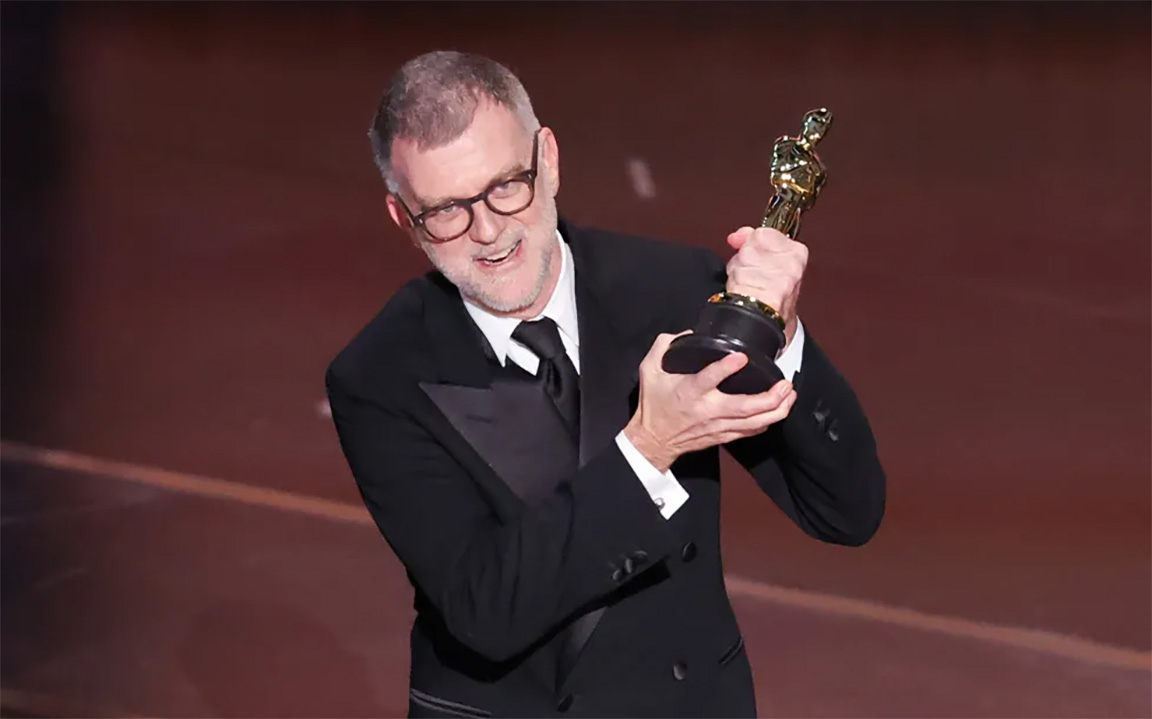
Paul Thomas Anderson finally took Best Picture and Best Director, among other awards, for One Battle After Another. He did so after 14 previous nominations and no wins. A long-deserved individual finally glorified, with the win feeling less like a surprise and more like an obligation.
While “One Battle” was the presumptive pick, what about a daringly different film like Sinners? Or a slower reflection like Hamnet? Or an unsettling film like Bugonia, which was wildly creative?
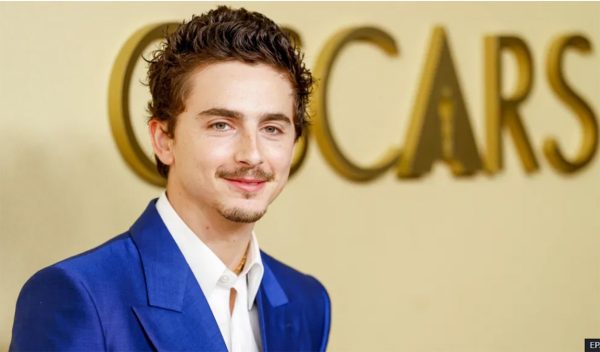
What the main discussion has focused on, in dramatic fashion, was Michael B. Jordan beating out Timothy Chalamet for Best Actor. Both were extraordinary performances. Chalamet was touted early on as the favorite, but Sinners gained serious momentum in the weeks leading up to the ceremony. Chalamet and Marty Supreme ended the night with no statues.
I’m tempted to attribute Chalamet’s loss to his recent comments labeling some art forms as out-of-style, namely ballet and orchestra. Politics. Comments. Campaigns. Anything to explain the outcome as something other than what it claimed to be: a recognition of the best performance of the year.
Chalamet’s loss is ironic as it opened up the door for Jordan, who ought to have been taken more seriously to begin with. Admittedly, had Chalamet won over Jordan, I might have chalked it up to long, entrenched biases among the voting members of the academy.
Ceremonies like these are not, and maybe have never been, purely merit based. They are carefully constructed, curated, collectively agreed-upon stories about careers, about legacy, about who has “paid their dues” and who still has time.
Can a fresh actor or director not emerge and be immediately recognized as a new and revolutionary talent?
Whether we realize it or not, we seem to prefer it this way. There’s something deeply embedded in the art world about delayed recognition. The “finally” narrative lands harder than the arrival. It feels earned in a way that immediate recognition does not.
This run of the award ceremony has caused me to think about the span of an artist’s life and the receiving of awards, as a last-ditch recognition of their performance. It’s no secret that the Oscars recognize seasoned actors later on in their careers rather than newcomers, with the average actor age around 45.
Awards so often go to the film, actor, or director who “deserves” the recognition. We’ve seen it with Gary Oldman beating out a 22-year-old Chalamet in a beautiful Call Me By Your Name in favor of the lackluster Churchill. We saw it with Jack Nicholson winning over the new kid on the block: a 27-year-old Matt Damon starring in his own film Good Will Hunting.
Even the numbers reflect this pattern. The stats demonstrate that awards tend to favor younger women (often in their 20s and 30s) for Best Actress while favoring older, more established men (often in their 40s, 50s, or older) for Best Actor. Even among the ten youngest men to receive an Oscar, the average age is 32.
But why? Why do we, as a culture, resist crowning greatness too early?
Perhaps immediacy feels too fragile. Maybe it’s because we’ve been taught to distrust anything that rises too quickly. Being early can look a lot like being wrong, even when it isn’t.
The geocentric model was believed to be the full truth for 150 years after Copernicus’s heliocentric counter was formulated. We cling onto what we know: the familiar, comfortable, common knowledge.
There’s a real dulling risk in that way of thinking. In always waiting. In always assuming that greatness must be stretched across time before it can be recognized. What gets lost, however, is the willingness to embrace something new, different, and revelatory as it is happening.
The youngish actor who lacks extensive life experience but makes up for it with skills and passion.
That’s what makes Chalamet such an interesting figure in all of this. He represents what I call “greatness culture.” There’s an urgency to him, a kind of unapologetic ambition that’s seen through his iconic public figure. He talks openly about greatness, about wanting to be remembered, about modeling himself after figures who didn’t wait their turn.
There’s something very modern in that. Chalamet resonates with a fast-paced generation more interested in possibility.
I believe that’s the tension we’re really seeing play out in Hollywood. An institution built on legacy and slow recognition confronted with a new revolting culture that is starting to question why it has to wait at all. Because striving for greatness openly, without apology, is not something to be dismissed.
It pushes the entirety of culture forward.
The question is not simply whether it is any one artist’s time to receive recognition but also whether we as a people are ready to recognize greatness when it arrives at all.