

Despite the dominance of streaming platforms and the erosion of theatrical moviegoing, a remarkable wave of recent films has demonstrated that cinema remains alive and best experienced in theaters. In an era often characterized by despair over the so-called death of true cinema, this resurgence, to me, signals not only nostalgia but also a necessary reckoning with what has been lost and what continues to endure.
In recent years, the growing despair of the fallen age of traditional cinema has become painfully apparent. Million-dollar budget films, once regularly displayed in theaters, are now routinely redirected to streaming platforms in pursuit for the quick, easy buck. Filmmakers in the space, such as Martin Scorsese and Steven Spielberg, have admonished this shift, arguing that ease of access alone cannot replace what cinema fundamentally is: an intimate sit-in and tactile relationship with art in the physically sacred setting of a theater, allowing for real interpretation and understanding.
The problem with streaming is not its existence, nor its accessibility. On the contrary, access to film has never been broader. The issue lies in what is lost when theatrical viewing is no longer central. Films cease to function as shared cultural events and instead become fragmented experiences. At-home viewing encourages distraction, scrolling, and casual conversation, diluting the film’s impact and the collective discourse that follows.
Streaming platforms increasingly control financing and distribution, relying heavily on algorithms rather than curatorship. These systems favor projects that are familiar and broadly neutral in tone and theme. The result is aesthetic “sameness.”
And yet, in spite of this landscape, a remarkable collection of recent films suggests that cinema is far from dead. Vastly and uniquely distinct, these works contribute to a renewed sense of passion and an obvious genuineness for film. Not money-driven sequels or desensitized products, not apathetic or detached works, but art full of care and devotion.
Marty Supreme is no doubt another stellar performance by the ever-rising Timothée Chalamet, an additional creation to grace the mantle of his film feats. Beyond that, Josh Safdie’s direction deserves an award, if not recognition.
One Battle After Another offers a wonderful telling of our times.
Bugonia is another example of Yorgos Lanthimos’s darkly humorous and unsettling dystopian pieces that must be watched.
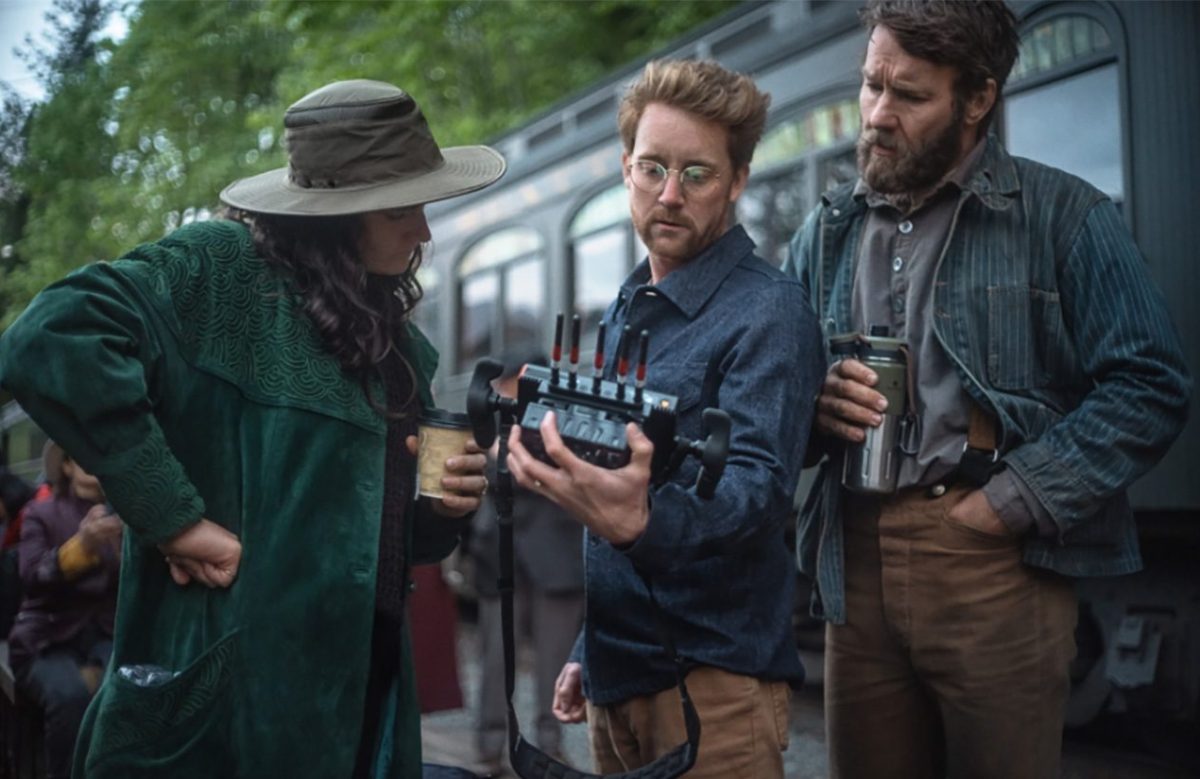
Train Dreams, one of the most beautiful films I’ve seen in years, is likely to receive Best Cinematography. It’s a masterpiece that takes one to ethereal heights through nature and deeply human relationships.
Sinners is a box-office success with an interesting twist and a delightful display of culture.
Hamnet, Sentimental Value, and If I Had Legs I’d Kick You are all films nominated for Best Picture.
And not to forget the foreign film No Other Choice, another Park Chan-wook masterpiece that demands true patience and acceptance of the abstract.
I highlight these to reaffirm my growing happiness and genuine, hopeful outlook. In this crucial transition, amid the pull of convenience and the decline of theaters, true lovers of cinema must recognize what is at stake.
To engage fully with these works is to encounter them as they were intended.
Go out! Dive into the dark theaters and become immersed and undistracted with art. Recognize the theater as the catalyst needed to fully envelop and allow you to connect to the creation, to view it how it was intended to be viewed.
With the wide expanse and breadth of these new pictures, a glimmer shines. Though industrial forces may continue to shape much of what we see, they cannot homogenize and taint the life and passion that is so beautifully displayed through these films.
Cinema persists. These films should inspire us all to keep going. A reminder that art lives on and that passion perseveres.